

If you have ever typed the words “stima imeenda” into a group chat, you are not alone. Check today’s live outage map and you will see interruptions logged across the country in real time, and Kenya Power’s own planned maintenance notices go out almost daily, county by county, week after week, rain or shine. Some weeks it is Nyeri and Homa Bay. Other weeks it is Mombasa, Kiambu, and half of the North Rift on the same afternoon. The specific county changes. The pattern does not.
The frustration is not just a vibe, it is measurable. Kenyan businesses experience well over three power outages a month on average, against a regulator benchmark of under two, and the typical customer loses close to ten hours of power a month, nearly three times what is considered acceptable. Put a number on that and it gets serious fast: manufacturers alone estimate the national cost of unreliable power runs into the billions of shillings a year in lost productivity, with a single hour of a nationwide blackout costing the manufacturing sector well over a hundred million shillings on its own.
Some of that strain comes down to simple infrastructure math. Kenya’s grid loses more than a fifth of the electricity it purchases to transmission inefficiencies and ageing lines, well above the regulator’s own allowable threshold, even as the country adds well over a hundred and eighty thousand new customers to the network in a single half year. More demand, an older network, and a persistent maintenance backlog is not a conspiracy, it is just physics and budget catching up with growth. Understanding why does not fix your Tuesday, but it does explain why “stima imeenda” is not a phase, it is closer to a permanent feature of doing business and working from home in Kenya right now.
Ask any small business owner and the story gets specific quickly. Traders around the country describe planning their working day around the power schedule instead of the other way round. A butcher loses refrigerated stock. A salon turns clients away mid appointment. A tailor’s machines go quiet mid order. None of it is dramatic on its own. All of it adds up, week after week, invoice after invoice.
For anyone working from a laptop instead of a shop floor, the damage looks different but costs just the same. A call drops mid sentence. A document that did not autosave disappears. The WiFi router needs a solid ten minutes to remember its own name once power comes back, usually right when you need it most. If you work from home, run a small office, or are up against a deadline, a blackout does not feel inconvenient, it feels like an ambush.
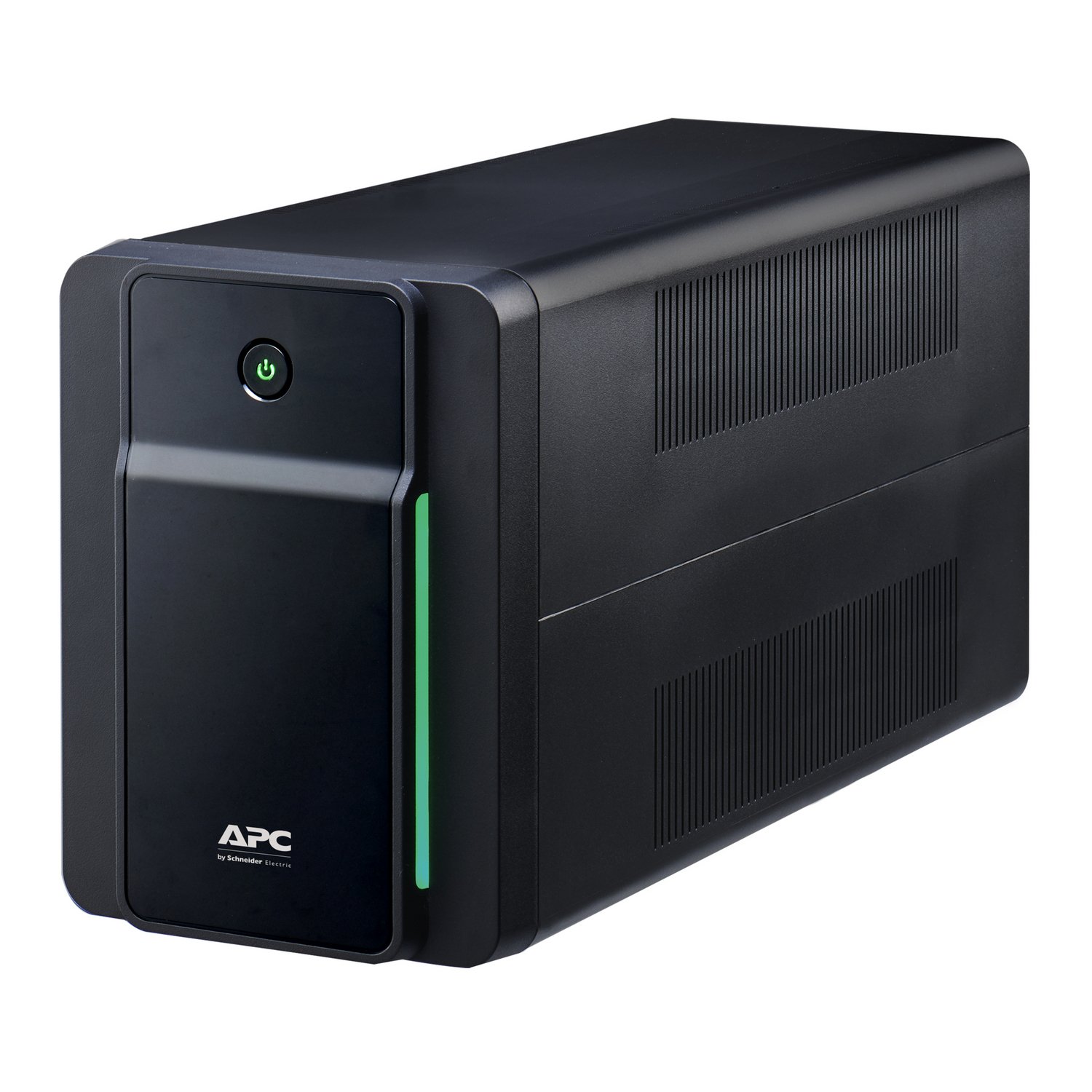
This is exactly what a home UPS solves, and it is a simpler purchase than most people expect. A UPS sits between the wall socket and your equipment, holding enough charge to keep your gear running the moment the grid drops. The better units, including this one, also run Automatic Voltage Regulation in the background, correcting the low and high voltage swings that come with an unstable grid, without ever touching the battery. That means it is protecting your equipment even on the days power never actually goes off, since voltage dips and surges do their own quiet damage to routers, chargers, and hard drives over time, long before anything visibly fails.
It is worth being honest about where a UPS fits next to the other two backup options most people consider. A generator gives you real, sustained power for as long as you can keep buying fuel, but it is loud, it needs maintenance, and it does nothing for the thirty seconds between the lights going out and you actually starting it. Solar with battery storage is the long-term answer for a household or office that wants to stop thinking about the grid altogether, but it is a bigger upfront investment and a longer decision. A UPS is the option that requires no fuel, no installation, and no real decision-making in the moment. You plug in once, and it works exactly when you need those first critical seconds and the following hour or two, which for most home offices and small businesses is precisely the gap that matters most.
The main decision when buying a UPS is capacity, measured in VA. A small 650VA unit is enough for a single desktop or router on its own. Something in the 1200VA to 1600VA range gives you enough headroom for a router, a laptop charger, and a couple of small essentials, typically enough runtime to save your work, finish a call, or ride out a short interruption without your whole workspace going dark. Anyone running a printer, multiple monitors, or office equipment at the same time should be looking at a higher VA tier or a dedicated small office unit instead.
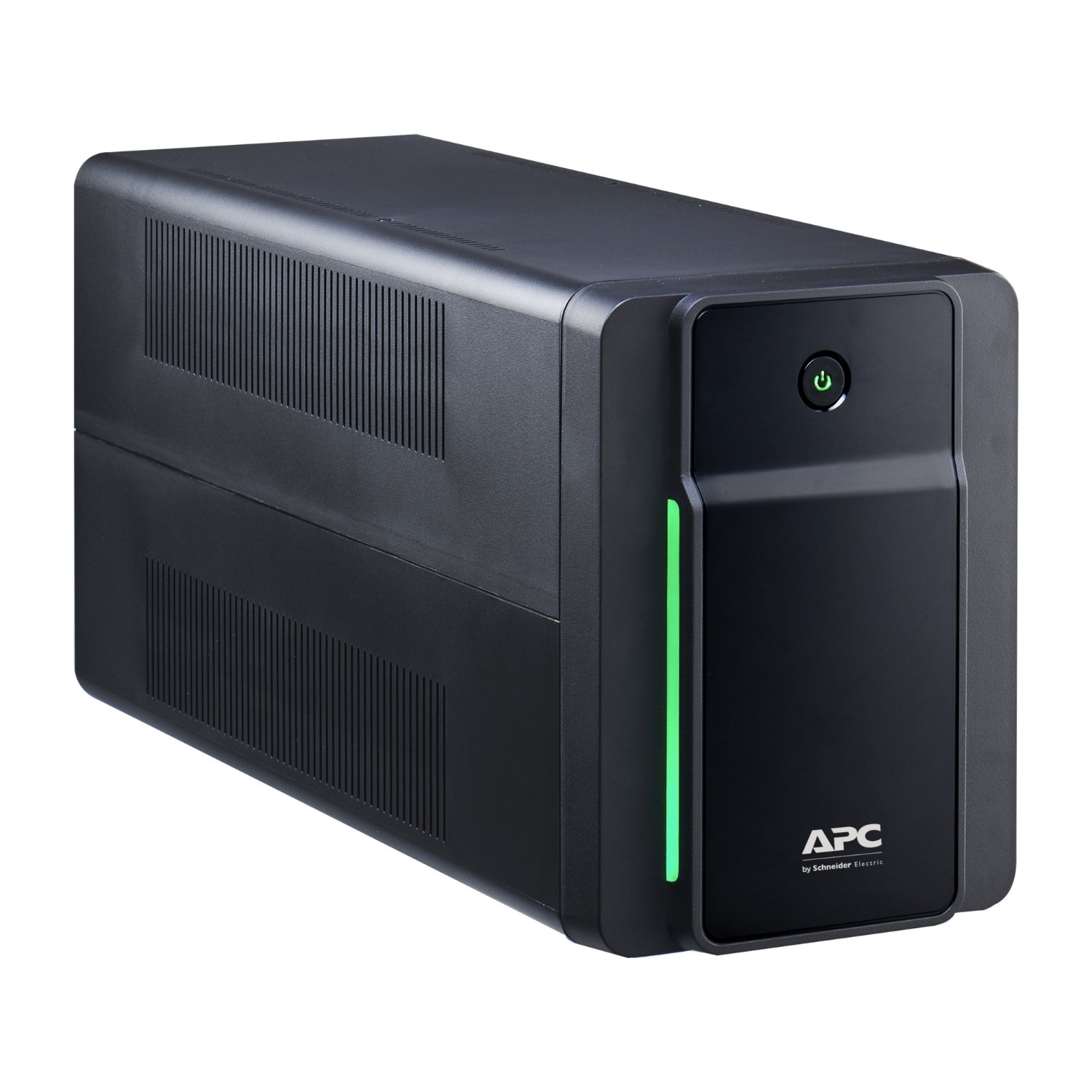
The APC Back-UPS 1200VA (BX1200MI) sits right in that sweet spot. Tower form factor, LED status indicators, audible alarms, and data line surge protection alongside the AVR, built for exactly this kind of everyday reliability question rather than a data centre. KES 26,900, VAT included, no hidden math.
A good fit if you:
- Work from home or run a small office and cannot afford dead time every time the power drops
- Want surge protection on top of blackout backup, not just one or the other
- Are tired of resetting the router every single time stima imeenda
- Need enough runtime to actually save your work and shut down properly, not just a few seconds of warning beeps
There is also a quieter reason to buy this locally rather than chasing a cheaper listing from an unverified seller. A grey market UPS with no local warranty is a bad trade the day the battery degrades, which every UPS battery eventually does. Buying through an authorised reseller means genuine stock, a real warranty, and someone to call in Nairobi rather than a shipping label to another country. For a piece of hardware whose entire job is to be reliable exactly when everything else fails, that matters more than the few shillings you might save elsewhere.
While you are deciding, here is the free version of the advice: the moment the lights flicker, save whatever you are working on first and ask questions later. A UPS buys you the time to do that properly instead of guessing whether you have thirty seconds or three hours. It is a small habit that pairs well with a small, permanent piece of hardware.
Stima will still go, on its own schedule, not yours. Your emails, your calls, and your WiFi do not have to go with it.