
There are four laptop screen types worth knowing in 2026: IPS LCD, OLED, Mini-LED and tandem OLED. IPS is the affordable all-rounder, while OLED gives perfect blacks. Mini-LED gets very bright, whereas tandem OLED stacks two OLED layers to get both. In fact, Apple’s newest MacBook Pro, announced on 28 October 2026, moves to a tandem OLED panel it calls PROLED XDR.
Prices and specs checked on 29 October 2026.
Key takeaways
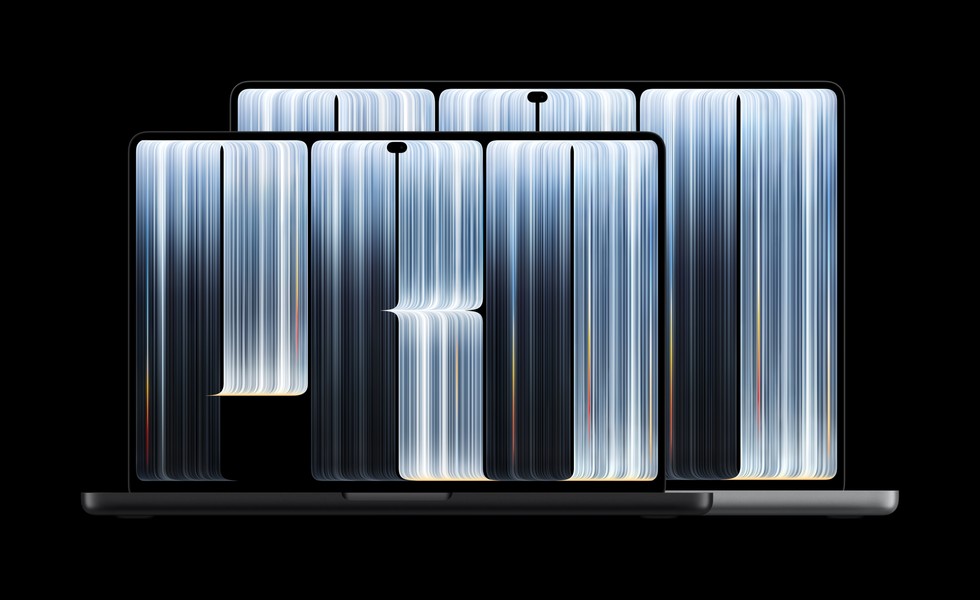
- Apple’s PROLED XDR MacBook Pro reaches up to 2,000 nits peak brightness and a 10,000,000:1 contrast ratio, according to Apple.
- The Mini-LED 14-inch MacBook Pro with M6 reaches 1,600 nits peak HDR and a 1,000,000:1 contrast ratio.
- The MacBook Neo uses a 13-inch Liquid Retina screen at 500 nits. Encom sells it for KES 102,300 excluding VAT.
- LG Display says its laptop tandem OLED uses up to 40% less power than a regular OLED panel.
- VESA’s DisplayHDR 1000 tier needs at least 600 nits sustained across the full screen.
What are the main laptop screen types?
The main laptop screen types split into two families. LCDs need a backlight, whereas OLED pixels make their own light. IPS and Mini-LED are LCDs, while OLED, AMOLED and tandem OLED are self-lit.
| Type | How it lights up | Strength | Watch out for |
|---|---|---|---|
| IPS LCD | One backlight | Price, no burn-in | Greyish blacks |
| Mini-LED | Thousands of tiny backlight zones | Very bright HDR | Slight glow around bright objects |
| OLED / AMOLED | Each pixel makes its own light | Perfect blacks | Burn-in risk, some flicker |
| Tandem OLED | Two stacked OLED layers | Bright and efficient | Premium price |
IPS vs OLED: which laptop screen is better?
OLED looks better in a dark room, but IPS is cheaper and safer for static office work. An IPS panel lights every pixel from behind, so black areas still glow a little. In contrast, an OLED pixel simply switches off, which gives true black.
Samsung Display explains it plainly: “AMOLED displays don’t need backlights and color filters used in LCDs because the pixels emit their own light.” AMOLED, Super AMOLED and Dynamic AMOLED are Samsung’s names for OLED with an active matrix, so “AMOLED vs OLED” is really the same family.
However, OLED has two trade-offs. First of all, static items such as a taskbar can leave a faint mark over time, known as burn-in. Also, many OLEDs dim with fast pulsing (PWM), and RTINGS warns that “this technique introduces flicker that can be very distracting to people sensitive to it.” So if you get headaches from screens, test before you buy.
At Encom, the ASUS Vivobook S14 OLED costs KES 124,300, while the HP OmniBook Ultra Flip 14 costs KES 198,000, both excluding VAT.
Mini-LED vs OLED: which laptop screen is brighter?
Mini-LED usually wins on brightness, while OLED wins on contrast. A Mini-LED screen is still an LCD, but its backlight splits into thousands of small zones that dim one by one. As a result, highlights get very bright without the whole screen glowing.
For example, Apple’s Mini-LED screens carry the name Liquid Retina XDR. On the new 14-inch MacBook Pro with M6, Apple says “the stunning Liquid Retina XDR display delivers up to 1600 nits of peak HDR brightness and a 1,000,000:1 contrast ratio.” Our 14-inch MacBook Pro with M5 also uses a Liquid Retina XDR screen and costs KES 295,350 excluding VAT.
What is tandem OLED, and why did Apple pick it?
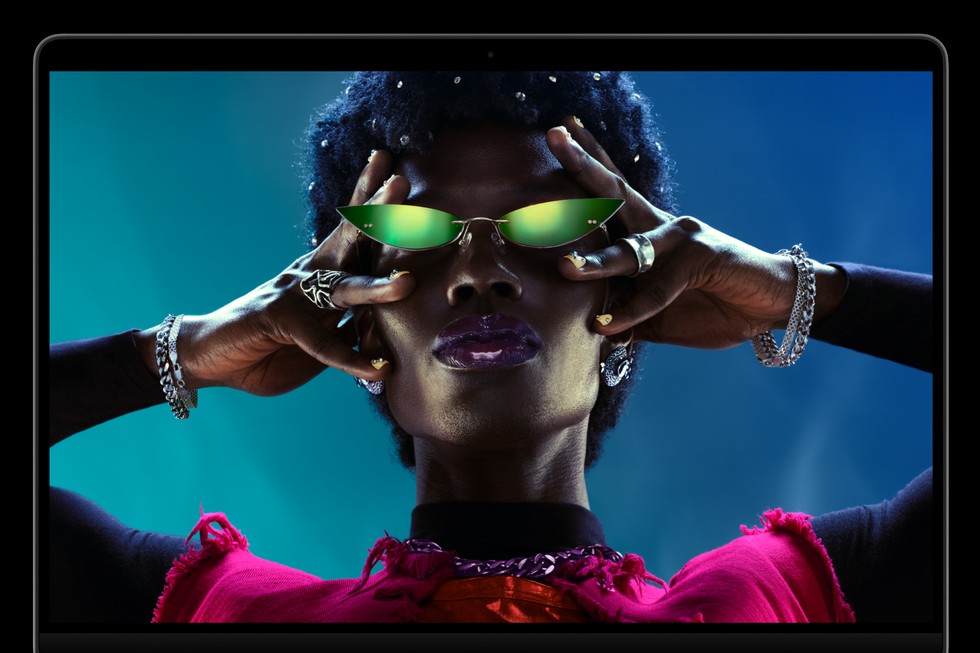
Tandem OLED stacks two OLED layers, so each layer works less hard for the same brightness. That means a brighter screen that also lasts longer. Apple first used it on the 2024 iPad Pro. At the time, it said the “Ultra Retina XDR display features state-of-the-art tandem OLED technology that uses two OLED panels.”
Similarly, other makers use the same idea in Windows laptops. For example, LG Display says its Tandem ATO laptop panel uses up to 40% less power than regular OLED and lasts about twice as long.
What is the new MacBook PROLED XDR display?
PROLED XDR is the tandem OLED touch screen on Apple’s newest MacBook Pro. It ships from 6 November 2026 in 14.2-inch and 16.3-inch sizes. Apple calls it “the world’s best laptop display, delivering true-to-life color and unparalleled brightness and contrast.”
- Brightness: up to 2,000 nits peak for both HDR and SDR, and 1,000 nits sustained across the full screen.
- Contrast: 10,000,000:1, so ten times the Mini-LED model.
- Motion: ProMotion from 10Hz to 120Hz.
- Touch: a first for MacBook Pro, with the sensor built into the panel itself.
- Glare: an optional nano-texture finish etched into the cover glass.
- Price: from US$2,899 in the US. We have not set a Kenyan price yet.
Apple also says the panel “monitors and adapts each pixel’s usage over time to preserve stunning image quality”, which is its answer to burn-in worries. Still, Apple has not published a resolution figure yet, so we will add it once the specs page updates.
Retina vs Liquid Retina: what do Apple’s names mean?
In short, Apple’s screen names describe the panel type rather than a separate technology:
- Retina: a screen so sharp that you cannot see pixels at normal distance.
- Liquid Retina: an IPS LCD, as on the MacBook Air and MacBook Neo.
- Liquid Retina XDR: a Mini-LED LCD, as on the M5 and M6 MacBook Pro.
- Ultra Retina XDR: tandem OLED on the iPad Pro.
- PROLED XDR: tandem OLED with touch on the newest MacBook Pro.
For example, the MacBook Neo’s 13-inch Liquid Retina screen runs at 2408 x 1506 and 500 nits. Meanwhile, we sell the MacBook Neo for KES 102,300 and the MacBook Air M5 for KES 196,400, both excluding VAT.
What do nits, HDR and refresh rate mean on a laptop screen?
Nits measure brightness, while HDR measures the gap between the brightest and darkest parts. Refresh rate, on the other hand, measures how often the picture updates. So for outdoor use in Nairobi sun, aim for 400 nits or more.
HDR labels can mislead, so look for a VESA DisplayHDR badge. For instance, VESA’s DisplayHDR 1000 tier needs at least 600 nits held across the full screen, while DisplayHDR 400 needs 320. Likewise, a 120Hz screen updates twice as often as 60Hz, so scrolling and pen input feel smoother.
Which laptop screen types suit which buyers?
- Students and office work: IPS, because it is affordable and has no burn-in risk. See our student laptop guide.
- Films, photos and dark rooms: OLED, because of its true blacks.
- Video and photo editors: Mini-LED or tandem OLED, since both handle bright HDR well.
- Bright offices and outdoor work: a high-nit screen with a matte or nano-texture finish.
Then, to compare prices across models, read our MacBook Pro price guide and our MacBook Air price guide, or browse all MacBooks on Encom Shop. Want the new PROLED MacBook Pro? Email us to Request a Quote, and we will confirm our price and arrival date.
Frequently asked questions
Laptop screen types: OLED, AMOLED and IPS
OLED vs AMOLED: which is better?
They are the same family, since AMOLED is OLED with an active matrix, and Samsung uses the name on its phones and tablets.
IPS vs OLED: which is better for the eyes?
It depends on the panel, because some OLEDs dim with fast flicker that bothers sensitive people, while most IPS screens do not, so test before you buy.
Does OLED burn in?
It can, when the same static image stays on screen for long periods. Newer panels, such as tandem OLED, reduce the risk.
Is an IPS laptop screen good enough?
Yes, for most office and school work, because it is sharp, accurate and affordable, with no burn-in risk.
Mini-LED and tandem OLED
Mini-LED vs OLED: which is better?
Mini-LED is usually brighter, while OLED has deeper blacks. However, tandem OLED narrows the gap by getting brighter too.
What is tandem OLED?
Two OLED layers stacked together, so the screen gets brighter and lasts longer than a single layer.
Retina display vs OLED: what is the difference?
Retina is Apple’s name for a sharp screen rather than a panel type, so a Retina screen can be IPS, Mini-LED or OLED.
The new MacBook OLED
What is the MacBook OLED release date?
Apple announced the PROLED XDR MacBook Pro on 28 October 2026, and it goes on sale on 6 November 2026.
What is the MacBook OLED price in Kenya?
We have not set a Kenyan price yet. In the US it starts at US$2,899, so email us and we will confirm our price.
Does the new MacBook Pro have a touchscreen?
Yes. According to Apple, the PROLED XDR models are the first MacBook Pro with touch.